Table of Contents
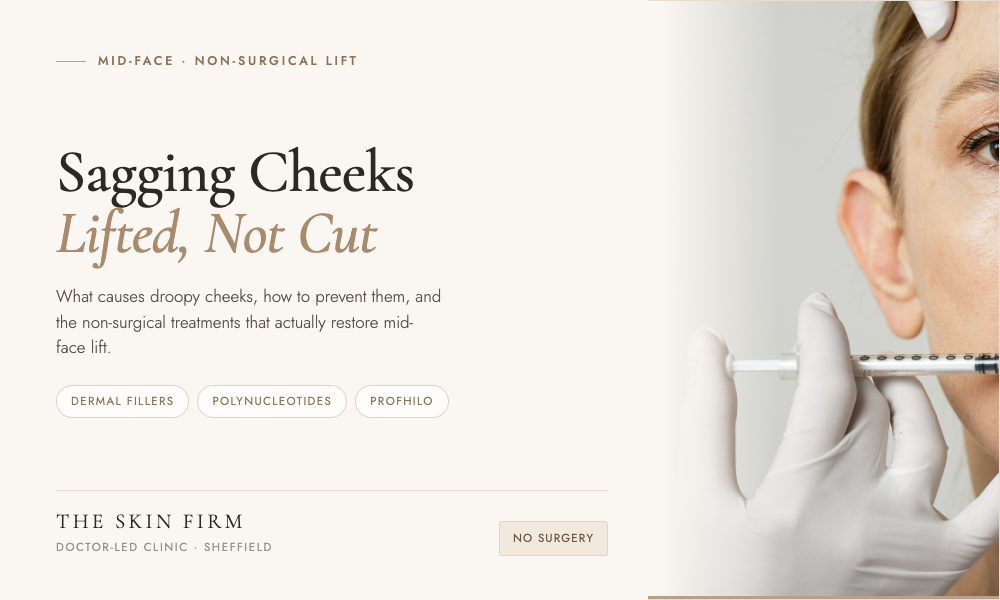
A sagging cheeks treatment works by replacing the volume your mid-face has lost and giving the soft tissue real, physical support so the cheeks lift back to their natural position. As the years pass, fat pads shrink, collagen drops, and the skin loses bounce, which pulls the cheeks downward and softens the jawline. The good news is that you do not need surgery to fix this.
The right non-surgical plan, carried out by a trained medical professional, can lift the cheeks, sharpen the jawline, and restore a fresh, balanced face. This guide explains the main causes of droopy cheeks, who is a good candidate, which treatments actually work, and how to maintain your results.
If you're wondering how to lift sagging cheeks without going under the knife, a planned mix of expert dermal filler work and skin-quality treatments often yields the most natural lift. You can read more about the full non-surgical face lift approach used by trained medical practitioners.
How Sagging Cheeks Treatment Works
Modern cheek-lift treatment is done through a dual process. First, hollow spaces are filled to restore volume and lift. Second, skin quality enhancement tightens the skin and gives a smoother texture. The right mid-cheek-lift treatment procedure will create a better-defined jawline and an overall younger face.
Trained medical practitioners study each patient's bone shape, fat pad position and skin condition before picking a plan. They use premium products and adequate volumes, not subtle low-cost injections, because real structural lift needs real support. A typical mid-face correction may use 2-3 ml of premium dermal filler placed at key support points.
Droopy Cheeks Causes: Why Do Cheeks Sag?
Knowing the droopy cheeks causes helps you and your practitioner pick the right plan. Several things work together to pull the mid-face down.
- Over time, gravity gradually drags down all soft tissues.
- Your genes determine the rate at which your skin matures and the durability of your bone structure.
- Stress, dehydration, and an unhealthy diet will deteriorate skin quality and accelerate sagging.
- Sleeping sideways or on your back will accentuate the wrinkles on one side.
Worried About Cheek Sagging Making You Look Tired?
Trained medical practitioners offer doctor-led, holistic plans that lift the mid-face safely without surgery, using premium products picked for your unique anatomy.
Signs and Symptoms of Cheek Ptosis
Cheek ptosis often starts with small changes that aren't visible in photos or under bright light. Over time, the signs become harder to hide. Watch out for these common signs:
- Flat or hollow upper cheeks instead of full, rounded ones.
- Deeper lines from the nose to the corners of the mouth (nasolabial folds).
- A soft, less defined jawline with early jowls.
- Loose, heavy-feeling skin on the lower face.
- Make-up settling into folds rather than sitting smoothly.
- The face looks tired or sad even when well rested.
Best Treatment for Saggy Cheeks: Non-Surgical Options
The best treatment for saggy cheeks depends on the extent of sagging, your age, and your goals. Most patients get the strongest results from a small combination plan rather than a single treatment. Below are the main non-surgical options for cheek ptosis that work.
Want to See How Much Lift Is Possible for You?
A doctor-led consultation maps your unique facial anatomy and develops a bespoke plan to lift the cheeks, refine the jawline, and preserve your natural look.
How to Tighten Loose Cheek Skin at Home
The effects of treatments done in-clinic are most impactful; however, the following tips help improve your loose cheeks at home in between your sessions:
- Wear SPF 30 to protect against sun damage, which can damage collagen.
- Wear a vitamin C serum daily to increase collagen production and brighten skin tone.
- Retinols/retinoids should be worn at night, gradually increasing your tolerance for them.
- Drink plenty of water.
- Maintain a nutritious, balanced diet rich in protein, healthy fats, and vegetables.
- When sleeping, always sleep on your back to prevent the lines from pressing against one side of the face.
- If possible, stop smoking and drinking alcohol, as they cause the quick deterioration of collagen.
Cheek Sagging Prevention Methods
Prevention methods for cheek sagging start years before you notice a problem. Prevention is easier and cheaper than correction. Build these habits early:
- Start a medical-grade skincare routine in your twenties or early thirties.
- Book skin-quality boosters such as Profhilo or polynucleotides early, before deep sagging sets in.
- Avoid treatments that are not right for your age, such as jaw-slimming injections, if you do not grind your teeth.
- Maintain a stable, healthy weight to protect the natural fat pads.
- Get yearly skin checks and a face review with a trained medical practitioner.
Risks, Side Effects and Contraindications
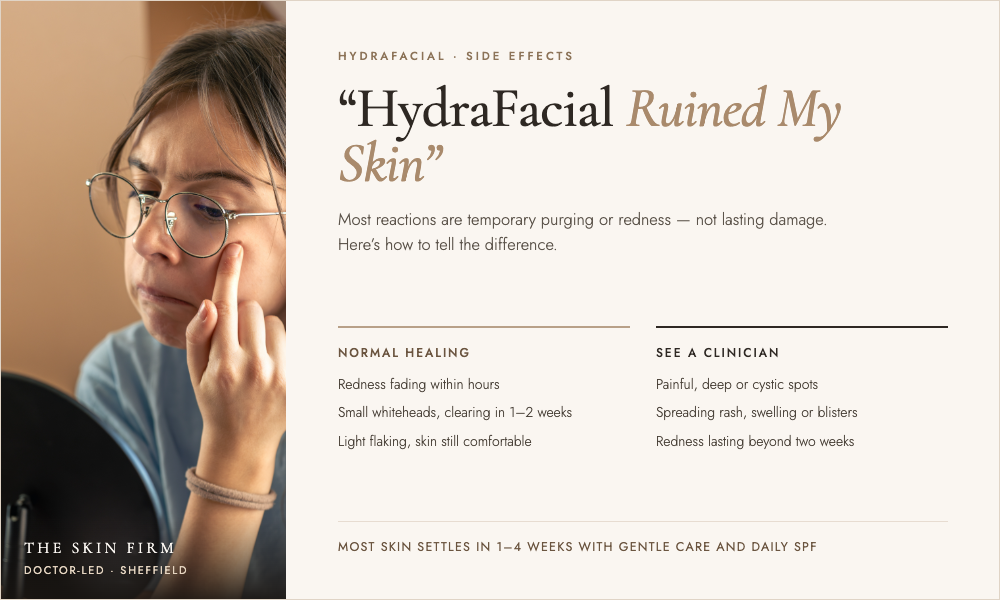
Non-surgical sagging-cheek treatments are safe in the hands of a trained provider, but no medical treatment is risk-free. Common, short-term side effects include:
- Mild swelling or redness for one to three days.
- Small bruises at injection points.
- Slight tenderness when touching the area.
- A short-lived feeling of fullness.
In rare cases, incorrect filler injection can cause infection, allergic reactions, lumps, or vascular issues. That is why the choice of practitioner matters far more than the choice of product. Avoid receiving the treatment if you are pregnant, nursing, have an active skin infection, or have certain autoimmune disorders.
What to Expect During Your Consultation and Treatment
A proper consultation comes first, every single time. During the consultation, the practitioner will:
- Review your medical history and current medications.
- Assess your bone structure, fat pads and skin quality.
- Discuss your goals and what is realistic for your face.
- Explain the plan, the products, the volumes and the costs.
- Answer your questions and confirm consent.
The procedure itself is fairly fast. Most cheek filler procedures last 30 to 45 minutes. The area is numbed using a numbing cream. You can go back to your regular schedule right away, but should refrain from strenuous activity, alcohol, and cosmetics for 24 to 48 hours.
Results and How Long They Last
There will be an immediate improvement after filler injection into your sagging cheeks, but you will have to wait two to four weeks for the final result, as swelling reduces. The period of effectiveness of premium dermal fillers lasts between 12 and 18 months for the cheeks, while that of skin boosters like Profhilo and polynucleotides lasts 6 to 9 months.
Conclusion
A modern sagging cheeks treatment plan combines volume restoration, structural lift, and improved skin quality to address the underlying causes of mid-face sagging. Ageing, bone changes, weight swings and the wrong aesthetic choices all play a part, but a careful, doctor-led plan can lift the cheeks, sharpen the jaw and restore a fresh, natural look without surgery. Premium dermal fillers, polynucleotides, Profhilo and SkinPen microneedling all have a role, and the strongest results usually come from a small, well-chosen combination.
If you would like a bespoke plan for safely lifting sagging cheeks, the trained medical practitioners at The Skin Firm offer a full doctor-led non-surgical facelift assessment to help you choose the right path for your face and lifestyle.
Start Your Journey
Book Your Free Consultation Today
Frequently Asked Questions
Can sagging cheeks be lifted without surgery?
Yes. Dermal fillers, skin boosters, polynucleotides, and SkinPen microneedling can lift the midface area, smooth wrinkles, and tighten sagging skin. There is virtually no scarring or recovery period after the procedure.
At what age do cheeks start to sag?
Most people see early signs of cheek ptosis from the mid-thirties, but sun damage, smoking and rapid weight loss can bring this forward. Early prevention is far easier than fixing severe sagging later.
How long do non-surgical cheek lift results last?
Dermal fillers for cheeks last 12 to 18 months, while skin boosters last 6 to 9 months. You only require a few touch-ups before the effects wear off.
How can I tighten loose cheek skin naturally?
SPF, vitamin C daily, retinol at night, proper hydration, a proper diet, not smoking, and sleeping on one's back are all factors that help achieve firm skin. All of these need to be practised alongside professional skincare treatments.
Does cheek filler hurt?
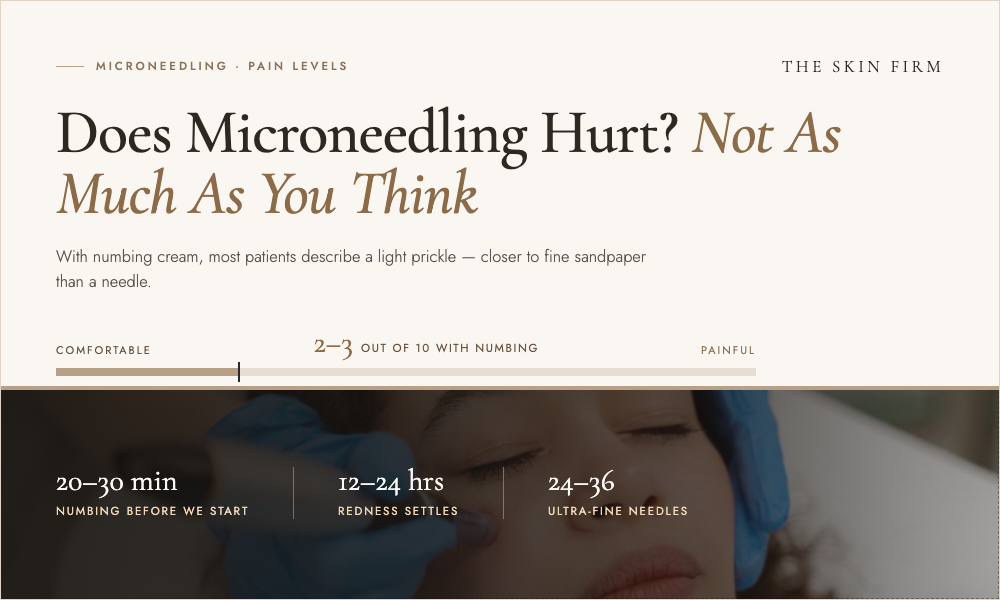
Most patients describe it as mild pressure rather than pain. A numbing cream or local anaesthetic in the filler keeps the area comfortable during the session.