Table of Contents
Most acne scars cannot be wiped away for good, but you can make them far less visible. The right plan depends on your scar type, your skin tone, and whether your acne has cleared.
Acne scars form when deep, swollen spots damage the skin. The skin heals, but it does not always heal flat. Some scars sink in. Some stay raised. Others leave a flat dark or red mark.
This guide explains each scar type, which treatments help, how many sessions you may need, and what it costs at The Skin Firm. You can also read more on our acne scars page.
Key Takeaways
- Most acne scars can be improved a lot, but they rarely disappear fully.
- Flat dark or red marks are not true scars. They often fade over several months.
- Pitted scars respond best to treatments that build new collagen, such as microneedling.
- Research shows that microneedling plus a chemical peel works better than either one alone.
- Clear your active acne first. New spots can lead to new scars.
Can You Remove Acne Scars Completely?
For most people, the honest answer is no. But you can make a big change.
A UK review of acne scar treatments by skin experts at St John's Institute of Dermatology in London examined research on microneedling. In those studies, everyone treated saw some gain, with scars 31% to 62% better. The authors also said there is no single, easy cure.
So set a clear goal. Aim for smoother skin that looks good in daylight and makeup that sits better. A good practitioner will tell you what is realistic for your skin before you start.
What Type of Acne Scar Do You Have?
Doctors sort acne scars into a few main types. This system comes from a well-known 2001 study. Your type matters, because each one responds to different treatments.
| Scar type | What it looks like | What tends to help |
|---|---|---|
| Ice pick scars | Deep, narrow holes, like a large open pore | Hard to treat. Microneedling may soften them. Very deep ones may need specialist care. |
| Boxcar scars | Wide, U-shaped dents with sharp edges | Microneedling and chemical peels |
| Rolling scars | Wide, soft dips that make skin look wavy | Microneedling. Filler can lift some dips. |
| Raised scars | Firm, raised bumps on the skin | A doctor's check first. These need a different plan. |
| Dark or red marks | Flat brown, purple or red patches | Sun protection, time and chemical peels |
The NHS notes that acne can leave shallow holes in the skin, such as ice pick or boxcar scars. Many people have more than one type.
Marks Are Not the Same as Scars
A flat mark that is darker or redder than your skin is not a true scar. It is a colour change left behind by the spot. These marks often fade on their own over several months.
True scars change the surface of your skin. They are dents or bumps that you can feel. They will not go away on their own, so they need treatment that rebuilds the skin.
A Note on Raised Scars
Raised scars form when the skin makes too much collagen as it heals. A larger type, called a keloid, can grow beyond the original area. The British Association of Dermatologists says steroid injections are the most common treatment, and silicone gels from a pharmacist can also help. Needle treatments are not right for people prone to keloids, so tell us about any raised scars at your consultation.
First, Get Your Active Acne Under Control
It is best to treat scars once your spots have settled. Microneedling or a peel on active acne can spread bacteria and irritate sore spots. New breakouts can also leave new scars.
The British Association of Dermatologists says early treatment helps prevent scars. It also advises you not to pick or squeeze spots. Most acne creams take 2 to 4 months to work fully.
See a GP if your spots are deep, painful, or leave scars. If you take isotretinoin tablets for acne, tell us. We will not treat you with microneedling if you have taken them in the last six months.
Still have breakouts? See our acne treatment page for how we help.
Not Sure Which Acne Scar Treatment You Need?
Dr Naren will assess your scars, tell you what type you have, and explain what results are realistic for your skin.
The Best Treatments to Remove Acne Scars
The best treatments for dents and pits work by prompting your skin to build new collagen. Collagen is the protein that keeps skin firm and smooth. Here is how each option at The Skin Firm works.
SkinPen Microneedling
SkinPen microneedling uses a pen with tiny, fine needles. It creates tiny channels in your skin. As the skin repairs, it makes fresh collagen that helps fill dents from below.
A 2022 review of 12 trials with 414 people found that microneedling improved acne scars. It also didn't increase the risk of dark marks, which matters if you have brown or black skin.
We use a numbing cream first, so most people feel only mild discomfort. Your skin may look red, like mild sunburn, for a day or two. Most people go back to work within 12 to 24 hours. See our guide to the microneedling healing stages for a day-by-day look.
Chemical Peels
A chemical peel uses a mild acid to remove the top layer of damaged skin. Fresh, smoother skin grows back in its place.
Peels work best on dark marks and shallow boxcar scars. On their own, they do little for deep pits. We offer two levels:
- Level 1 peels. A gentle refresh with no downtime. Good for a glow and to fade marks over time.
- Level 2 peels. These go a little deeper for dark marks and rough texture. You may have redness for a couple of days and some flaking for about a week.
We do a patch test at least 48 hours before your first peel. To learn what to expect, read our guide to chemical peel side effects.
Microneedling and Peels Together
Together, the two often give the best results. A 2025 review of 9 studies with 566 people found that using both worked better than either one alone. With both treatments, 40% to 50% of people saw their scars improve by three-quarters or more. With one treatment alone, it was 13% or fewer.
A larger 2024 review of 24 trials reached the same result. Side effects such as redness and dark marks were no worse with the combined plan. At your consultation, the team can advise whether a plan that includes both would help your scars.
Exosome Therapy
Exosome therapy uses tiny particles that send repair signals to your skin cells. We apply them with microneedling, so they can reach deeper into the skin. Research on exosomes for acne scars is still new, and studies are small, so think of this as an add-on rather than a first choice.
Dermal Fillers for Rolling Scars
Some rolling and boxcar scars sit in soft dips. A doctor can place a small amount of hyaluronic acid filler under the dip to lift it level. The change is quick but not permanent, and you will need top-ups. Read more on our dermal fillers page.
What About Deep Ice Pick Scars?
Very deep, narrow scars are the hardest to treat. Some need methods such as laser resurfacing or minor surgery from a dermatologist. The British Association of Dermatologists notes that these are not usually available on the NHS. At your consultation, Dr Naren will tell you honestly if another option would suit you better.
How Many Sessions Will You Need?
Scar treatment takes time, because new collagen grows slowly. Most people start to see smoother skin 4 to 6 weeks after the first session. Results improve for months.
| Treatment | Usual plan | Downtime |
|---|---|---|
| SkinPen microneedling | Often a course of 6 for acne scars, about one a month | Redness for a day or two |
| Level 1 peel | A course of peels, plus home care | None |
| Level 2 peel | A course of peels, plus home care | Redness and flaking for up to a week |
| Exosomes with microneedling | 3 sessions, 4 weeks apart | Redness for a day or two |
For acne scars, we often suggest a course of 6 microneedling sessions, about one a month. Your plan will depend on how deep your scars are.
What You Can Do at Home
Clinic treatments do the heavy work, but your daily habits protect your results:
- Wear sunscreen every day. The NHS advises SPF 30 or higher with at least 4-star UVA protection. Sun exposure darkens marks and makes scars more visible.
- Hands off your spots. If you pick, you push bacteria deeper and can cause new scars.
- Keep your routine gentle. Harsh scrubs will not smooth scars and can irritate your skin.
- Try skin camouflage. Special cover makeup can hide marks while you wait for treatment to work.
- Be patient. Collagen takes months to rebuild, so judge your results after a full course.
Ready to Start Treating Your Acne Scars?
- A skin check with Dr Naren
- A clear plan matched to your scar type
- Honest advice on the results you can expect
How Much Does Acne Scar Treatment Cost at The Skin Firm?
The cost depends on the treatment and how many sessions you need. These are our current prices:
| Treatment | Price |
|---|---|
| SkinPen microneedling, 1 session | £215 |
| SkinPen microneedling, 3 sessions | £595 |
| SkinPen microneedling, 6 sessions | £1,140 |
| Microneedling with medical-grade serum, 1 session | £150 |
| Level 1 chemical peel | £75 |
| Level 2 chemical peel | From £99 |
| Exosomes with microneedling, 1 session | £295 |
| Exosomes with microneedling, course of 3 | £735 |
| Dermal fillers | From £300 |
For SkinPen, microneedling, peels and exosomes, a skin consultation costs £30. You can put this towards treatment worth £70 or more within two months. If dermal fillers are recommended, a consultation with Dr Naren costs £50, and you can put this towards treatment worth £150 or more within two months. We also offer 0% finance on treatments over £500. See our non-injectable price list and injectable price list.
Treatment Options
SkinPen Microneedling
- Builds new collagen to lift dents and pits
- Suits most skin types and tones
- Back to work within 12 to 24 hours
Chemical Peels
- Fades dark marks and smooths shallow scars
- Level 1 and Level 2 options
- Patch test before your first peel
Exosome Therapy
- Applied with microneedling
- Supports skin repair
- A course of 3 sessions to start
Conclusion
You may not be able to erase acne scars, but you can make them much less visible. Start by clearing active acne. Then match the treatment to your scar type. Microneedling works well for dents and pits, peels help marks and shallow scars, and combining the two often works best.
Give it time. Collagen builds slowly, so you will see the full result after a course, not after one visit.
The team at The Skin Firm offers doctor-led acne scar treatment at our clinic on Ecclesall Road, Sheffield. Book a consultation, and Dr Naren will tell you honestly what will work for your skin.
FAQs
Can acne scars go away on their own?
Flat, dark or red marks often fade over several months. True dents and raised scars will not go away on their own, because the skin below has been damaged.
What is the fastest way to get rid of acne scars?
Filler can lift some soft, rolling scars right away, but it isn't permanent. Treatments that build collagen, such as microneedling, take longer but provide longer-lasting results.
Can I treat acne scars if I still have spots?
It is best to clear active acne first. Treating over sore spots can spread bacteria and cause irritation.
Does microneedling for acne scars hurt?
We use numbing cream first, so most people feel only mild discomfort. Read more in our guide, Does Microneedling Hurt?
Are acne scar treatments safe for dark skin?
Many are. Research shows microneedling does not increase the risk of dark marks. Your practitioner should still choose the right treatment and settings for your skin tone.
How many sessions will I need?
Most people need a course. For acne scars, we often suggest 6 microneedling sessions, about a month apart.
Medically Reviewed By
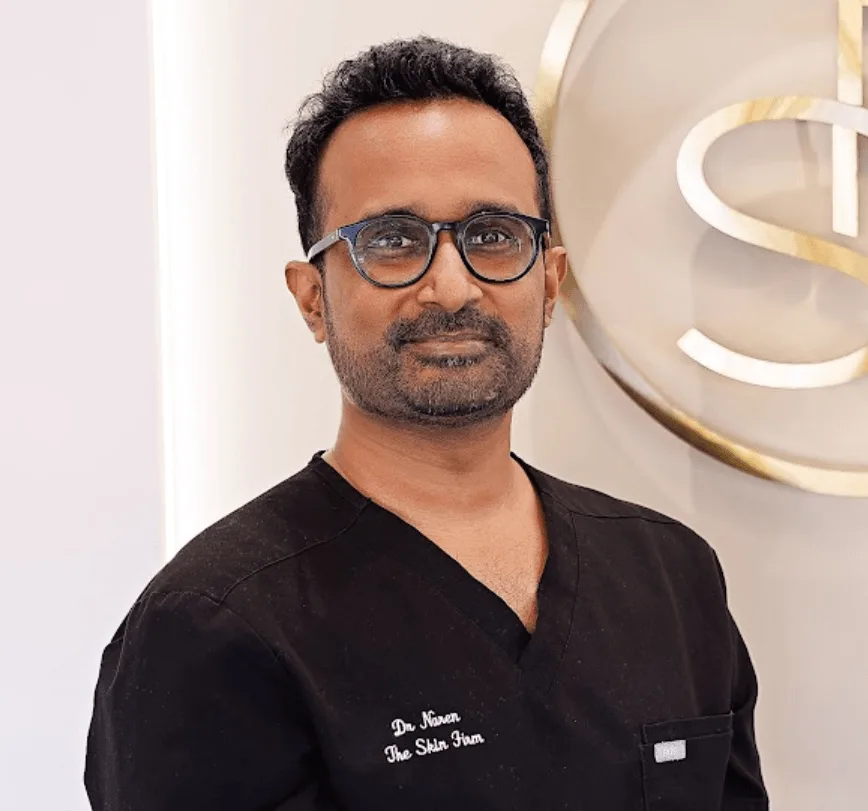
Dr Naren Senthil NathanFounder & Clinical Director (MBBS, PGCertMedEd, MRCGP, FRCGP)